
Tiny Worlds, Infinite Wonder

We step close—within a single square meter—to uncover layered dramas in moss, insects, dew, and sunlight. Today our focus is One Square Meter Nature Photo Stories, where intimate images pair with field notes and memory to honor overlooked worlds. Stay with us as patient observation turns tiny details into vivid narratives that invite wonder, care, and participation.

Finding the Patch That Whispers Back

Begin by scouting places you already pass daily, then narrow your gaze until a single arm’s-span patch feels surprisingly alive. Look for layered textures, changing light, and signs of recurring visitors. Safety, permissions, and accessibility matter; choose a spot you can revisit often without strain. The best patch is not the prettiest, but the one that keeps whispering new questions whenever you kneel and listen.

Sidewalk Edges and Parking-Lot Meadows

At curb lines and cracked asphalt, wind-blown seeds find shelter beside bottle caps and rust. Kneel and you’ll notice microclimates created by concrete heat, reflected glare, and trickling runoff. Watch ants map highways between grasses, noting how a passing bus becomes a thunderstorm within this miniature city.

Forest Floor Quilts of Moss and Light

Beneath branches, the ground becomes a quilt of moss, needles, fungi, and fleeting sun patches. Linger long enough to see spores drift and a beetle lift a forest of dew like lanterns. Shifting clouds rewrite the stage, while your patience reveals pathways that were invisible moments earlier.

Fieldcraft for Close, Patient Seeing
Natural Light as a Moving Storyline

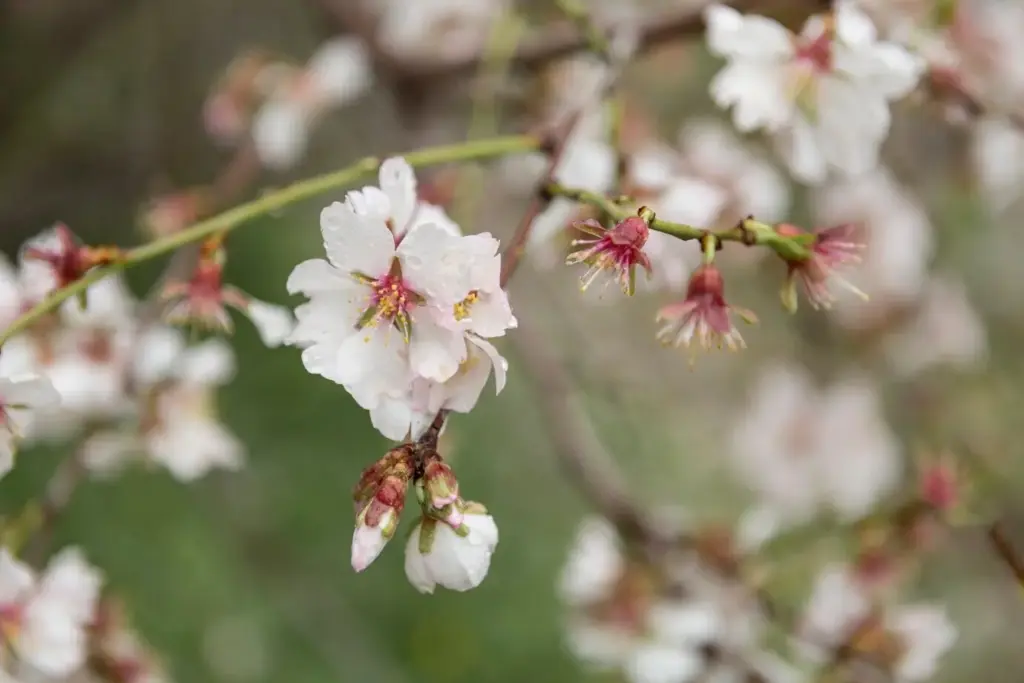
Light in a single patch changes minute by minute, turning spider silk into silver wires and wet leaf margins into stained glass. Track sun angles with your body’s shadow, noting how reflections from walls or water shift the mood. Return at dawn, noon, and dusk to map variations.

Angles, Grounding, and Breathing for Stability

Light in a single patch changes minute by minute, turning spider silk into silver wires and wet leaf margins into stained glass. Track sun angles with your body’s shadow, noting how reflections from walls or water shift the mood. Return at dawn, noon, and dusk to map variations.

Macro Options from Phones to Stacking

Light in a single patch changes minute by minute, turning spider silk into silver wires and wet leaf margins into stained glass. Track sun angles with your body’s shadow, noting how reflections from walls or water shift the mood. Return at dawn, noon, and dusk to map variations.

Shaping a Narrative from Tiny Actors

Great stories live in micro-scales too. Identify recurring characters, trace their routines, and notice tensions between needs—shade versus sun, moisture versus heat, stillness versus wind. Arrange images to build anticipation, relief, and reflection, letting the smallest gestures carry emotional weight without embellishment.

Casting: Ants, Seedlings, Lichens, and Drifting Dust

Name what you see with care: a ground beetle patrolling, a seedling leaning toward warmth, a spider repairing torn silk after gusts. Small roles become unforgettable when framed with dignity. Keep a simple list that grows into a cast, revealing relationships with every revisit.

Plot: Cycles, Conflicts, and Small Resolutions

Weather writes conflict and resolution hourly. A droplet threatens to break a pollen bridge; sun rescues drying moss; shade returns, complicating everything again. Sequence frames to mirror this rhythm, alternating close and wide, fast and quiet, until viewers feel time deepening inside the square.

Voice: Field Notes, Metaphor, and Honest Curiosity

Write brief, honest notes about sounds, smells, and feelings, avoiding exaggeration. Metaphors should serve clarity, not decoration. Include measurements and times so poetry rests on evidence. Later, these fragments guide captions that respect the creatures involved and invite readers to notice similar patterns nearby.

Care, Consent, and Leaving Things Better

Working intimately with living places carries responsibility. Move slowly, replace what you gently nudge aside, and avoid trampling unseen nests or roots. Share locations carefully to protect vulnerable species. Teach care through example so every image also becomes a small act of restoration and trust.

Gentle Hands and Reversible Moves

Before placing equipment, scan for seedlings, eggs, and camouflaged insects. Use fingertips rather than palms, and return pebbles or leaves exactly as found. Where possible, photograph from the edge to keep weight off fragile soil, reminding yourself that patience is always lighter than footsteps.

Respect for Urban Neighbors

People live here too. Avoid blocking sidewalks, remain aware of mobility needs, and greet curious passersby warmly. A quick explanation turns suspicion into shared stewardship. Offer to show a magnified view; witness how awe spreads when someone recognizes a bustling world beneath their daily commute.

Science-Friendly Habits Without Losing Heart

Keep timestamps, weather notes, and basic coordinates, using apps or a simple notebook. Photograph from consistent viewpoints to create comparable records. While accuracy matters, keep compassion central, letting stories honor living beings rather than reducing them to measurements alone. Balance rigor with empathy every visit.

Layers Beyond the Frame

The square continues beyond sight. Add layers that the camera alone cannot hold: ambient audio, textures described in words, simple measurements, and even sketches. These threads braid into presence, letting future readers step back into the moment almost completely, senses alert and receptive.

Ambient Audio and Quiet Listening

Record a minute of sound before and after photographing. In that quiet, notice wings, traffic, water, footsteps, distant sirens, and the hush between them. Later, pairing audio with images restores pacing and context, reminding viewers how rhythm and silence shape meaning in miniature.

Noting Temperature, Moisture, and Microclimate Shifts

Scribble temperature, wind, and humidity alongside observations of surfaces: warm stone, cool moss, damp soil, thirsty leaf. These notes help explain behavior and texture in the photographs. Over weeks, patterns emerge, revealing how microclimate drives color shifts, movements, and mood across the tiny stage.

Describing Aromas and Memory Triggers

Smell rises before seeing. Crushed mint, tar after rain, tidal iodine, or dusty pollen tilt memory toward childhood lanes and kitchens. Write a sentence or two that names it plainly. Later, this sensory line unlocks the same doorway for your reader’s body.

Editing, Sequencing, and Sharing with Community

Editing reveals the heartbeat. Gather many frames, then reduce to a handful that hold tension, change, and rest. Order them so the eye moves without confusion. Write captions that add truth, not repetition. Share publicly and invite conversation, crediting places as collaborators rather than backdrops.

From Contact Sheet to Cohesive Arc

Lay prints or thumbnails on a table and ask three questions: Where does movement begin, where does it slow, where does it return transformed? Remove duplicates even if beloved. What remains will feel inevitable, carrying viewers through discovery, doubt, surprise, and gentle afterglow.

Captions, Metadata, and Accessibility

Compose captions that reveal behavior, conditions, and sources. Add alt text describing structure and action for screen readers. Embed dates, locations, and focal details for searchability and future study. Let language be precise yet warm, guiding attention without crowding the photographs’ quiet power.
Xikazovavoramenopulure
Privacy Overview

This website uses cookies so that we can provide you with the best user experience possible. Cookie information is stored in your browser and performs functions such as recognising you when you return to our website and helping our team to understand which sections of the website you find most interesting and useful.